

Table of Content
Cryptocurrency exchange architecture is the backbone of any digital trading platform, defining how transactions are executed, assets are stored, and security is maintained at scale. As the demand for crypto trading continues to surge, having a robust and well-structured exchange architecture is critical for delivering fast order execution, seamless user experience, and enterprise-grade security.
At its core, cryptocurrency exchange architecture represents the technical framework that enables users to buy, sell, and manage digital assets efficiently. It integrates multiple components such as the trading engine, user interface, liquidity management, wallet infrastructure, and advanced security protocols each playing a vital role in ensuring platform reliability and performance.
A well-designed architecture not only supports high-volume trading but also minimizes latency, prevents system failures, and protects against cyber threats. Whether you’re building a centralized, decentralized, or hybrid exchange, understanding the underlying architecture is essential to creating a scalable and future-ready platform.
In this guide, we’ll break down the key components, system design principles, and best practices behind cryptocurrency exchange architecture to help you build a secure and high-performing trading ecosystem.
Frontend And Backend Architecture
Front-end Features
- User Dashboard
The user dashboard is the main interface where traders can view their account details, trading options, and market data.
- UI/UX Design
An intuitive UI/UX design is vital for attracting users and facilitating smooth navigation. A positive user experience can significantly impact user retention and satisfaction.
- Wallet Integration
This feature allows users to connect their cryptocurrency wallets for secure transactions. Wallet integration is essential for enabling deposits, withdrawals, and trading activities.
- Payment Gateway Integration
Integrating various payment methods, such as credit/debit cards and bank transfers, streamlines the process of buying and selling cryptocurrencies. This flexibility enhances user convenience and encourages more transactions.
- Trading Machine
The trading machine displays real-time market data, including prices and liquidity. It enables users to execute trades efficiently by providing up-to-date information on available cryptocurrencies.
- Order Book
The order book shows all current buy and sell orders, providing transparency in pricing. This feature helps traders make informed decisions by displaying market depth and available trading pairs.
Back-end Features
- Trading Engine
The trading engine is responsible for matching buy and sell orders quickly and accurately. A robust trading engine ensures minimal latency, allowing users to capitalize on market opportunities without delay.
- Security Protocols
Implementing strong security measures, such as two-factor authentication and encryption, protects user data and funds from potential threats. Security protocols are critical for building trust among users.
- Database Management
A well-structured database manages user information, transaction history, and order details. Efficient database management is essential for maintaining performance and ensuring data integrity.
- Liquidity Management
Back-end systems monitor market liquidity to ensure that there are enough assets available for trading. Effective liquidity management minimizes price slippage during transactions.
- Compliance Systems
Compliance is crucial for maintaining legal standards and fostering a secure trading environment. So, it is required for the exchanges to adhere to regulatory requirements like KYC and AML.
Core Components of a Cryptocurrency Exchange Architecture
Here is a detailed look at the essential components of a cryptocurrency exchange architecture that enhance the functionality of the platform.
Admin/User Dashboard
The admin dashboard provides real-time insights into user transactions, behavior, and revenue optimization, while the user dashboard offers an intuitive interface for managing trades and account settings.
Both dashboards are crucial for effective management and user engagement, ensuring that users can navigate the platform easily and administrators can monitor activities efficiently.


UI/UX Design
A well-designed user interface (UI) and user experience (UX) are vital for attracting and retaining users.
An engaging design not only enhances usability but also builds trust by providing a seamless trading environment that users find easy to navigate.
Security Protocol
Due to the high risk of hacking and fraud, having strong security features in cryptocurrency exchange is very important. Implementing robust security protocols, such as multi-signature wallets and DDoS protection, helps safeguard user funds and personal information, thereby enhancing overall trust in the platform.
Wallet Integration
Integrating secure wallets allows users to store their cryptocurrencies safely while facilitating quick transactions.
This component is essential for providing users with control over their assets and ensuring that withdrawals and deposits are processed smoothly.
Trading Machine
The trading engine is responsible for matching buy and sell orders efficiently.
A high-performance trading engine ensures minimal latency in order execution, which is crucial for traders looking to capitalize on market movements.
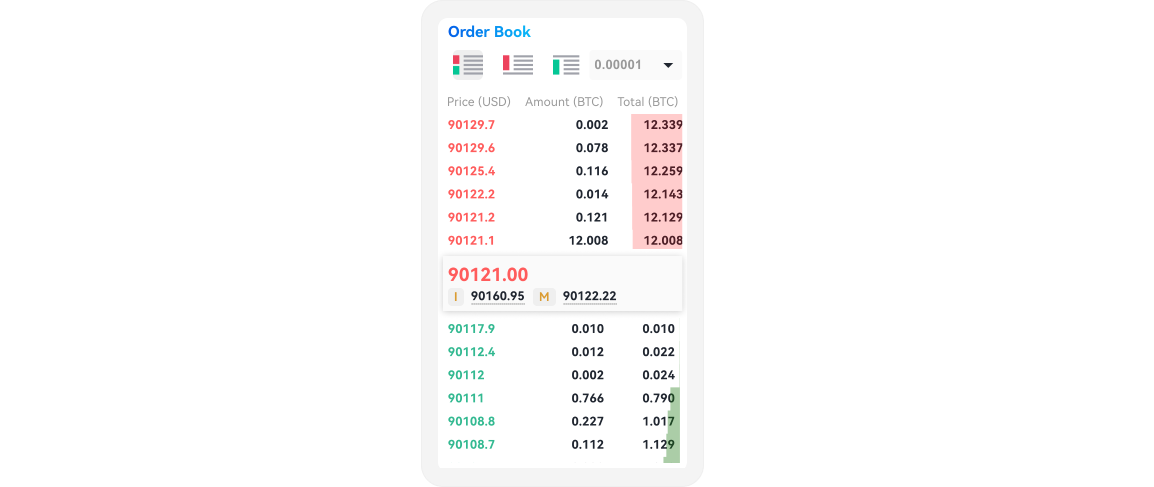
Order Book
The order book displays all active buy and sell orders on the exchange, providing transparency in pricing.
It plays a critical role in market liquidity by allowing users to see available trading options at any given time.
Payment Gateway Integration
A smooth payment gateway integration enables users to deposit and withdraw funds securely.
This component is essential for facilitating transactions between fiat currencies and cryptocurrencies, making it easier for users to engage with the platform.
Liquidity Management
Ensuring sufficient liquidity allows users to execute trades without significant price slippage.
Effective liquidity management strategies help maintain market stability and attract more traders to the platform.
Customer Support
A responsive customer support system is crucial for resolving user issues quickly. Assisting various channels fosters trust and encourages users to engage more actively with the platform.
Compliance Systems
Adhering to regulatory requirements through KYC (Know Your Customer) and AML (Anti-Money Laundering) processes is essential for maintaining legal standards.
Compliance systems help build credibility and trust among users by ensuring a secure trading environment.
Database And Network Architecture
A scalable database architecture supports high transaction volumes while maintaining performance.
This infrastructure ensures that the exchange can handle increased traffic during peak trading times without downtime.
API Integration
APIs allow third-party developers to connect with the exchange, enabling features like automated trading bots or portfolio management tools.
Robust API integration enhances functionality and provides flexibility for users seeking advanced trading options.
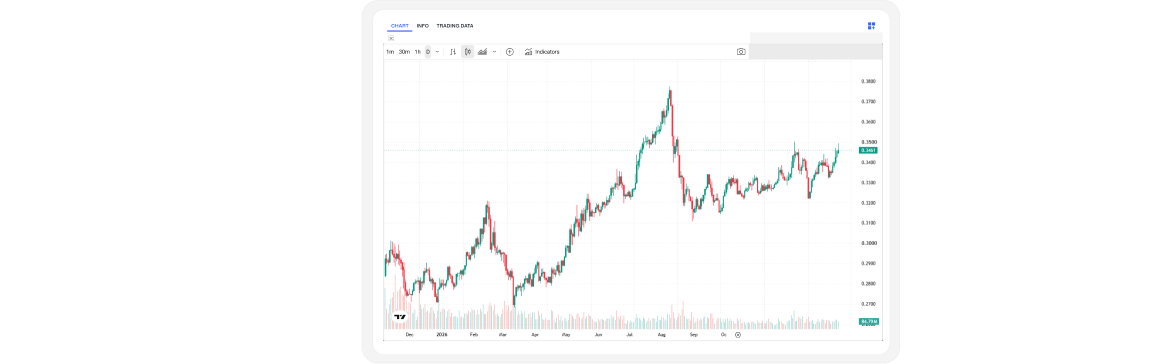
Charts and Analytics Tools
Real-time charts and analytics tools help traders make informed decisions by providing insights into market trends.
These tools are essential for analyzing price movements and understanding market dynamics effectively.
Closing Thoughts
In the fast-paced world of cryptocurrency, understanding exchange architecture is essential for entrepreneurs looking to mark their foot in the dynamic market.
The effectiveness of both front-end and back-end features directly impacts user experience, security, and operational efficiency.
As demand for innovative trading platforms continues to rise, there is a significant opportunity for newcomers to create competitive exchanges that cater to diverse user needs.
A strong architecture ensures smooth performance and growth. Fourchain is a leading cryptocurrency exchange development company that delivers robust, modular systems for high-performance trading designed to help entrepreneurs succeed.
Our team is equipped to guide you through every step in starting a cryptocurrency exchange.


